

Bottoms spreadsheet edit
Bottoms selected
by proportion and use.
Compare shorts and denim with waist, rise, thigh, inseam and leg opening—not a familiar size label.
See 10 bottoms finds ↓Category brief
How to use this bottoms page.
Bottoms control the silhouette of the full outfit. Small differences in rise or opening can change how the same sneaker and top look.
Curated bottoms
10 finds to inspect.
Open a detail page for a tailored checklist, sizing note and current source link.

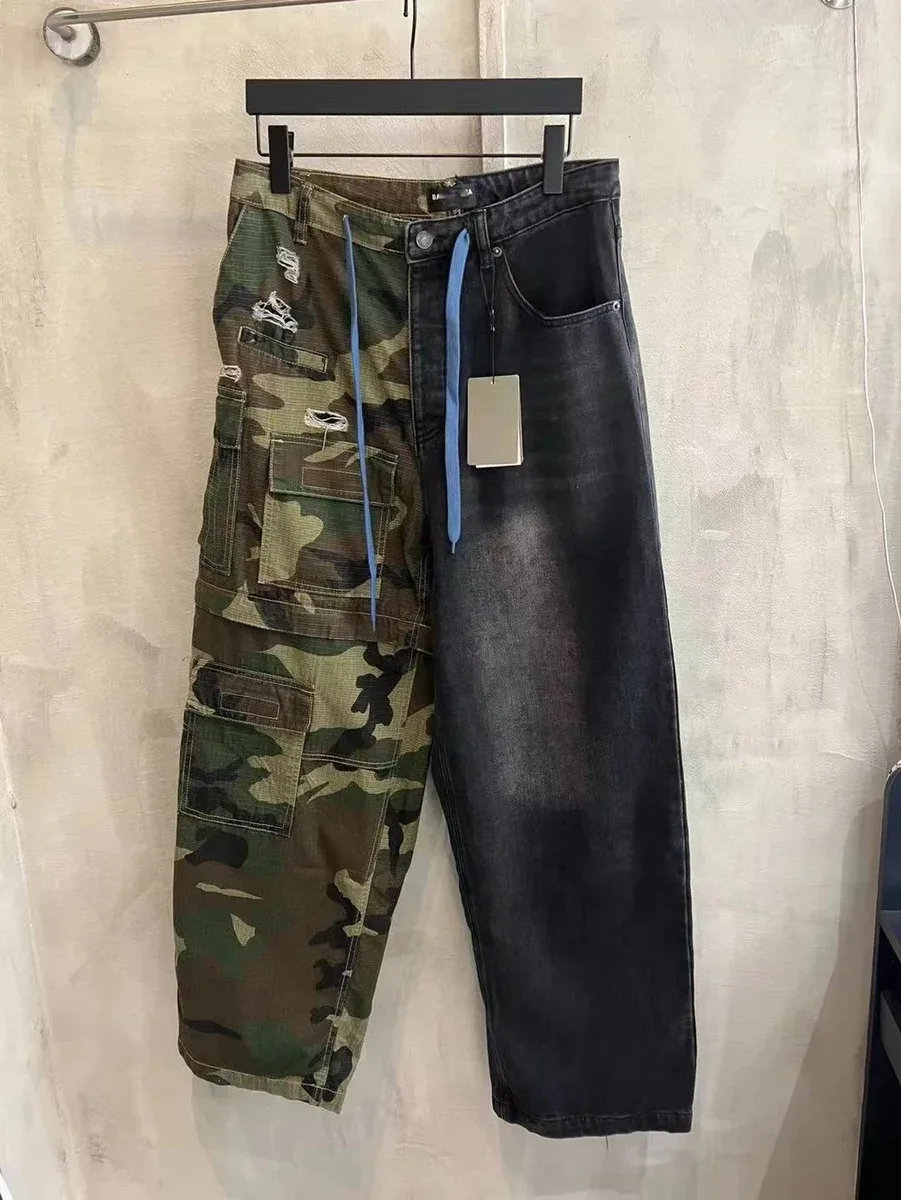


Before you shortlist
Four checks for bottoms.
Use the same order on every candidate so one attractive image does not outweigh missing evidence.
Five measurements
Record waist, rise, thigh, inseam and leg opening before comparing fit.
Construction
Inspect fly, pockets, belt loops, seams and visible hardware.
Graphic details
Check embroidery or print placement and whether it pulls or distorts the fabric.
Wash & colour
Compare several images because dark denim and grey fabric shift under warehouse lighting.
Fit & measurements
Make the size evidence useful.
Match the intended silhouette, not just the waist. Rise and leg opening determine how the garment sits over the body and footwear.
Read the measurement guide ↗Style direction
Give the item one clear job.
Wider hems balance bulkier sneakers; cleaner shorts and tapered trousers keep graphic tops from becoming too busy.
Read attributed buyer haul reports ↗Read & compare
Check evidence before chasing a link.
Practical guides cover the buying checks; a related blog story adds styling and selection context.
Bottoms FAQ
Questions worth answering first.
Why is waist size not enough?
Two garments with the same waist can fit very differently through the rise, thigh and leg opening.
How should I measure shorts?
Measure the flat waist, rise, thigh and outseam and compare with a pair you already wear.
What matters for embroidered denim?
Check placement, thread consistency, puckering and how the design aligns with pockets and seams.
Continue browsing


